Adala

Client
ỌNWỤ
Location
Lagos, Nigeria
Project Type
Self
Category
Industrial Design
Homeware
Type
Vase
Status
Production
Year
2024
Details

Dimensions: L24 x W16 x H24 cm

Weight: 8kg

Materials: Brass (Recycled)
Heading 1

Heading 2

Heading 3

Heading 4

Heading 5
Heading 6

Lorem ipsum dolor sit amet, consectetur adipiscing elit, sed do eiusmod tempor incididunt ut labore et dolore magna aliqua. Ut enim ad minim veniam, quis nostrud exercitation ullamco laboris nisi ut aliquip ex ea commodo consequat. Duis aute irure dolor in reprehenderit in voluptate velit esse cillum dolore eu fugiat nulla pariatur.

Block quote

Ordered list

  1. Item 1
  2. Item 2
  3. Item 3

Unordered list

  • Item A
  • Item B
  • Item C

Text link

Bold text

Emphasis

Superscript

Subscript

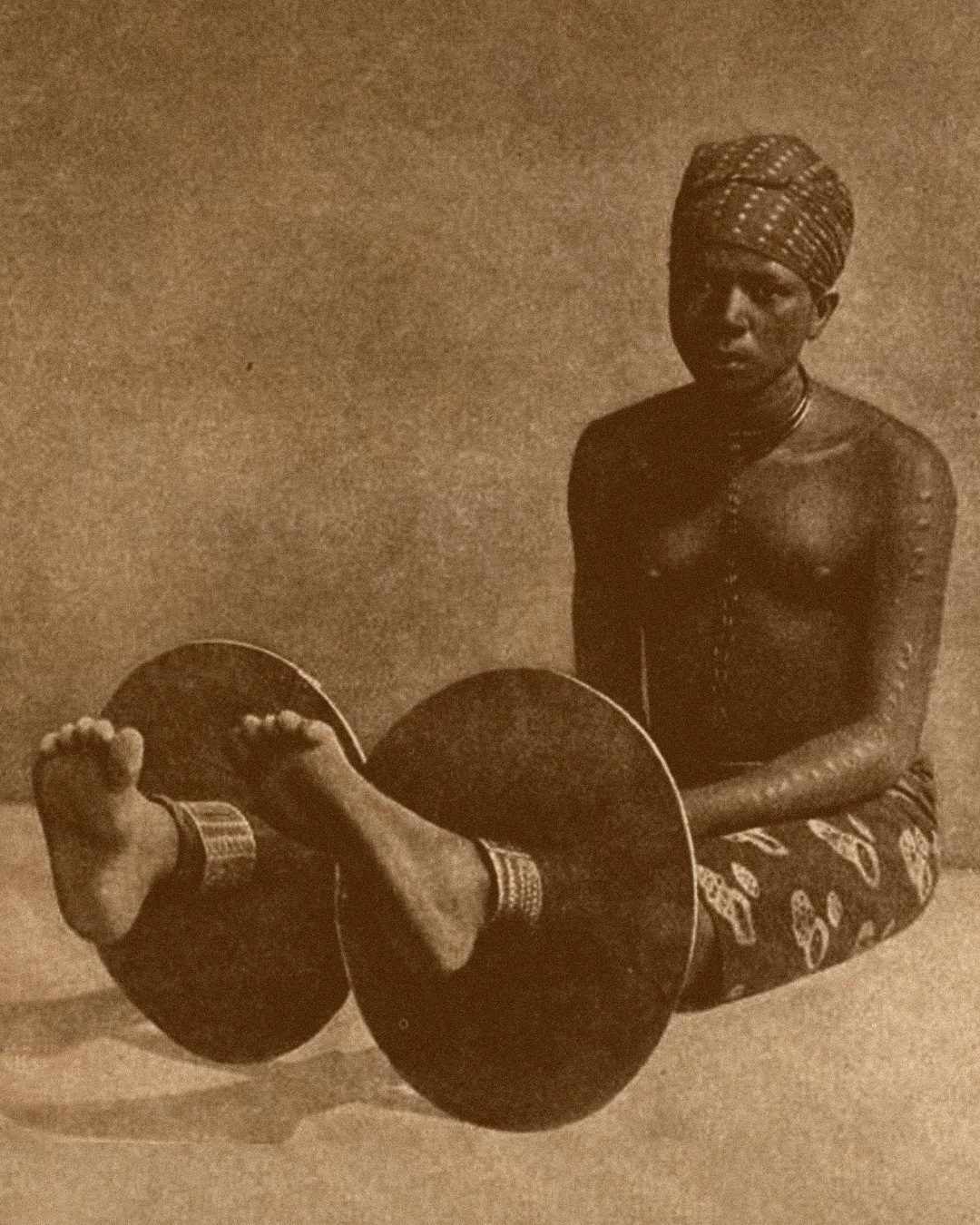
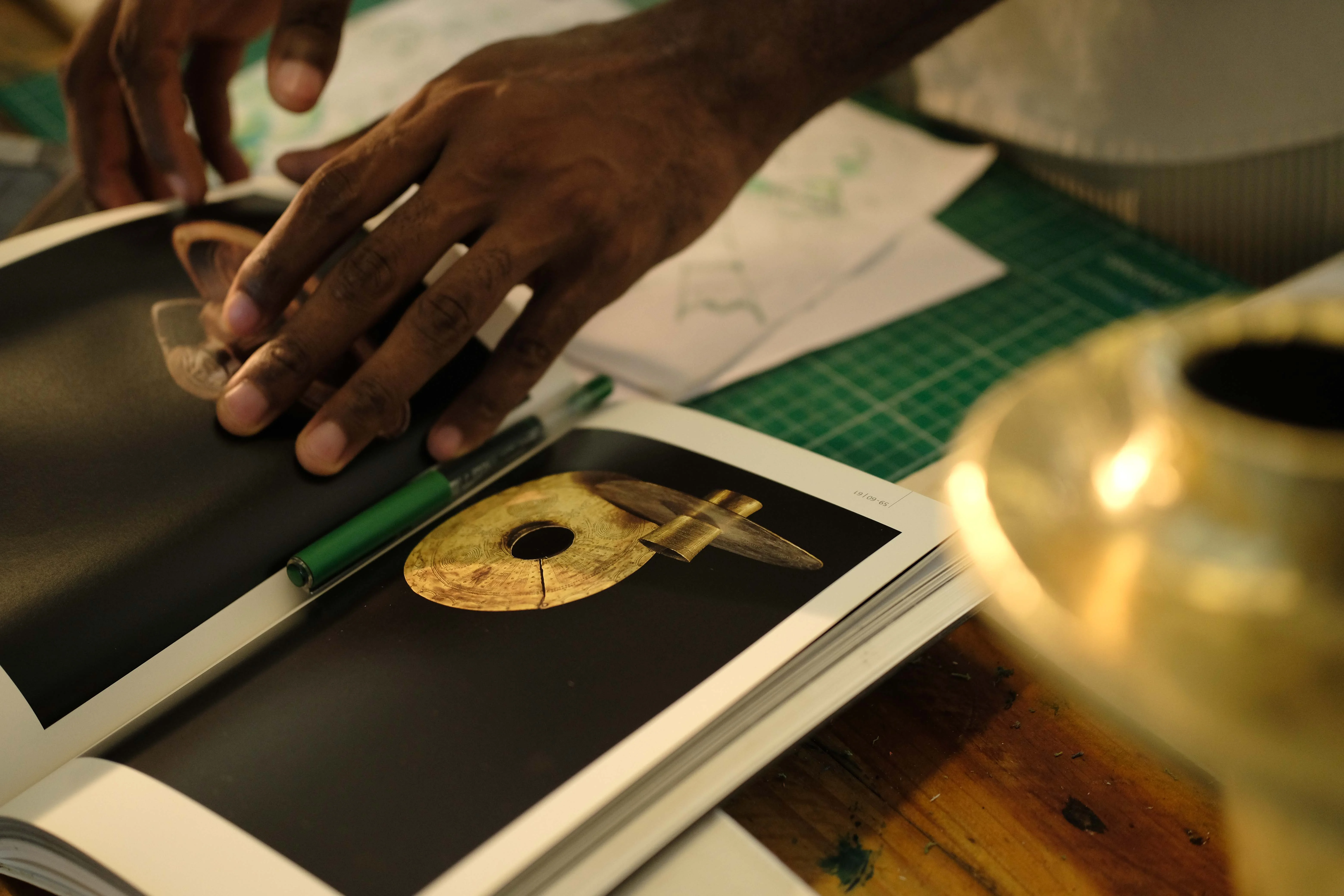
Brass anklets, known locally as Ogba or Adala, were symbols of immense prestige for Igbo women. Yet, this status demanded a choreographed grace; the weight of the anklets required a wide, deliberate gait to prevent the plates from clashing, turning every step into a performance of balance.

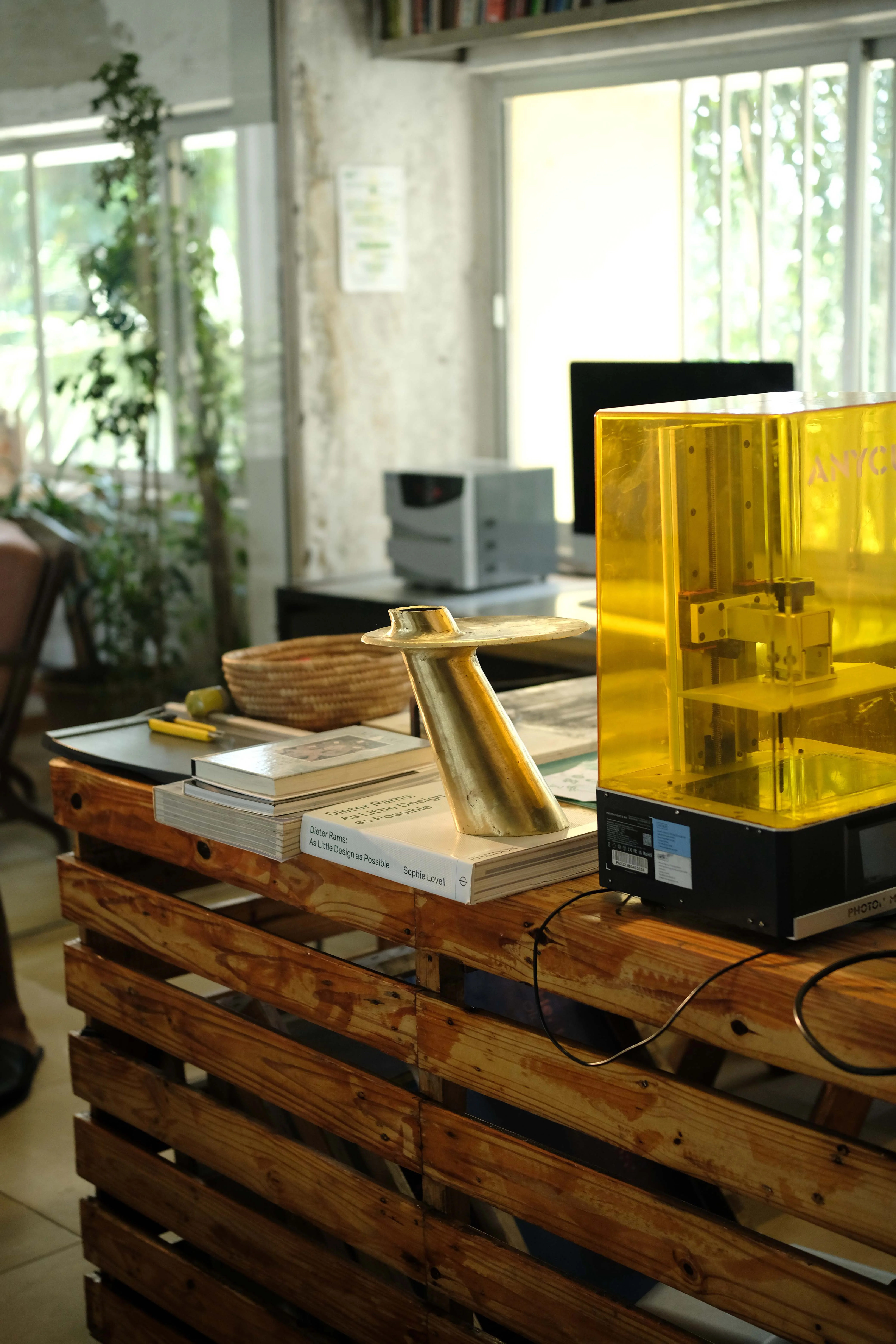
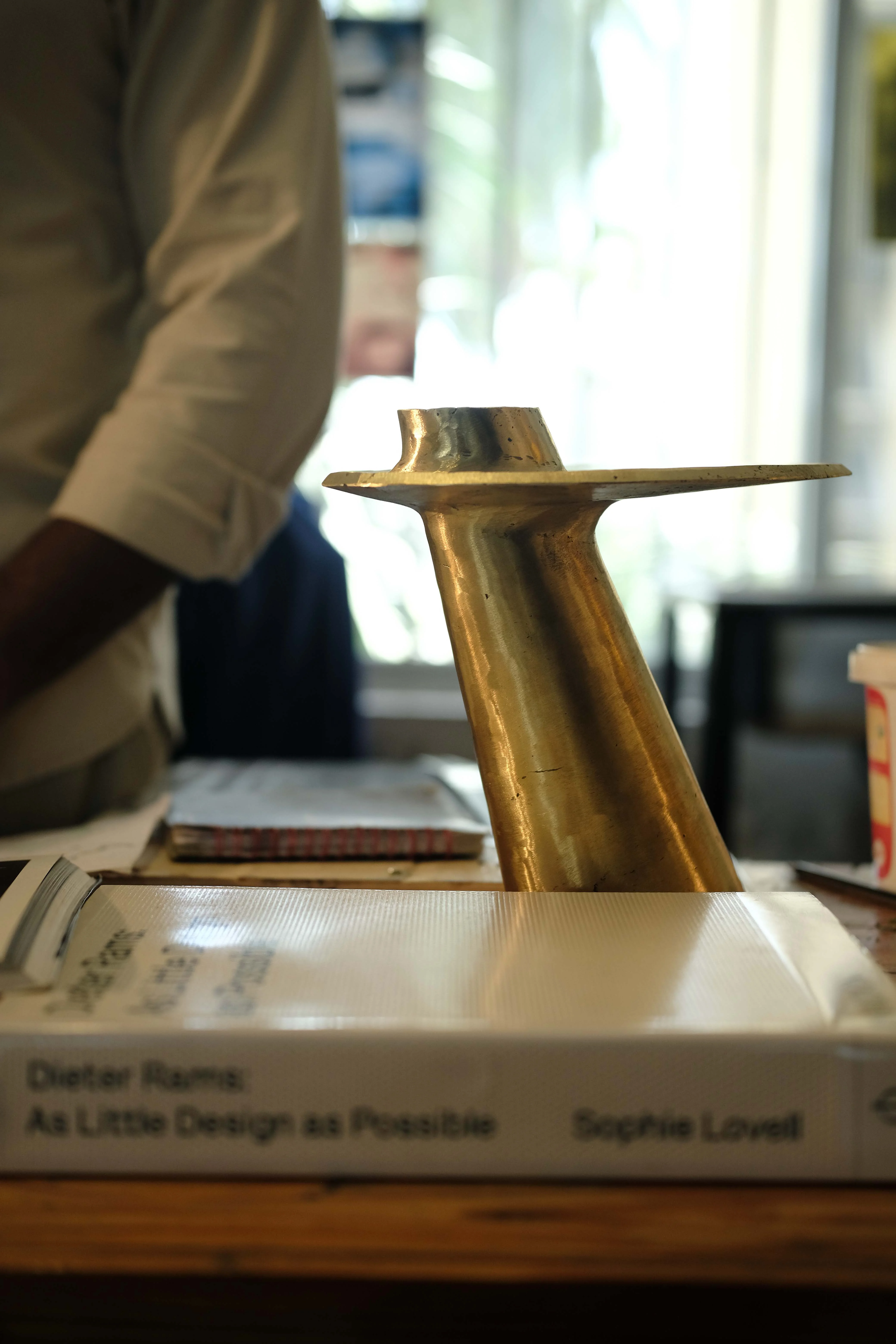
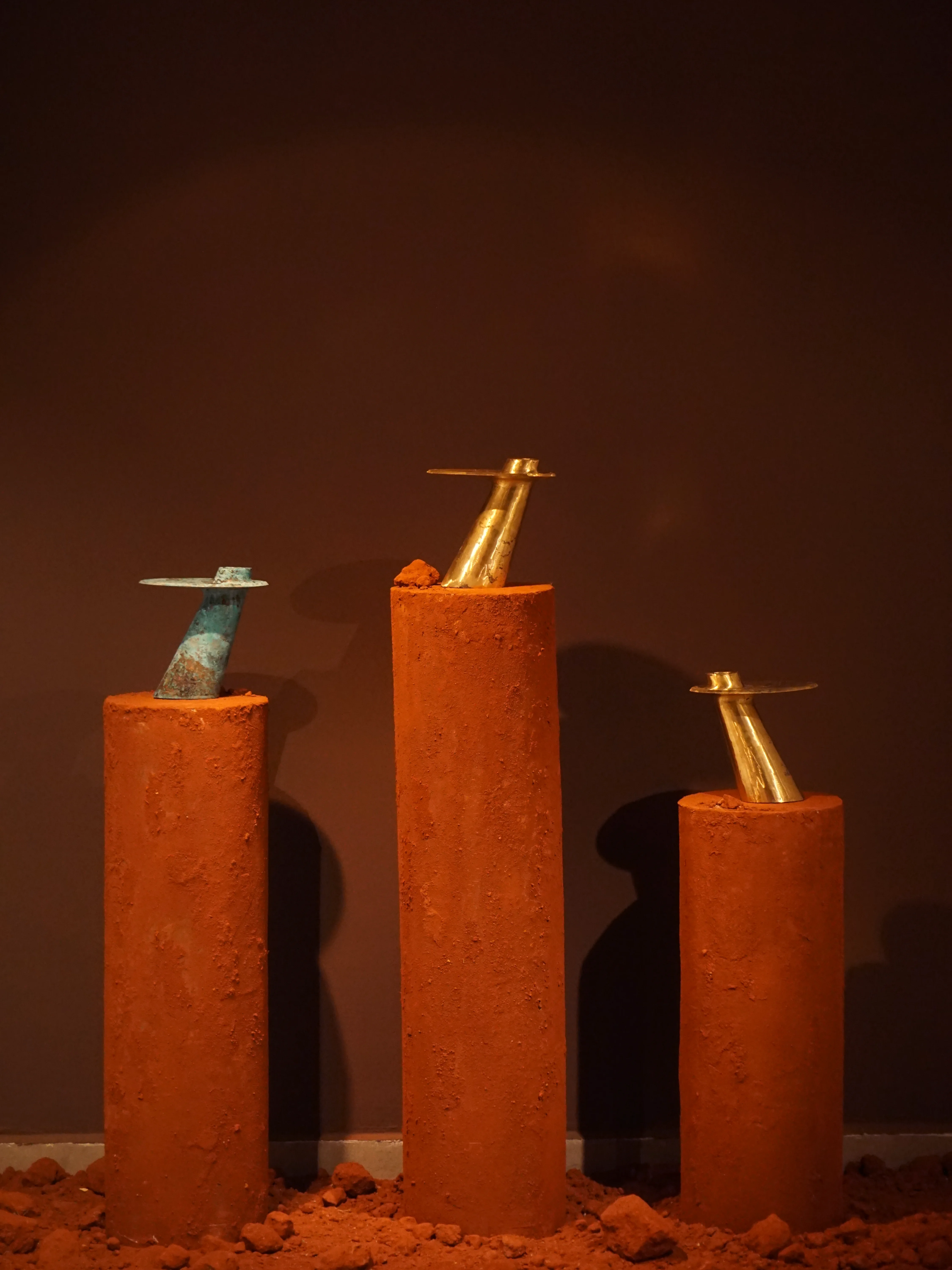
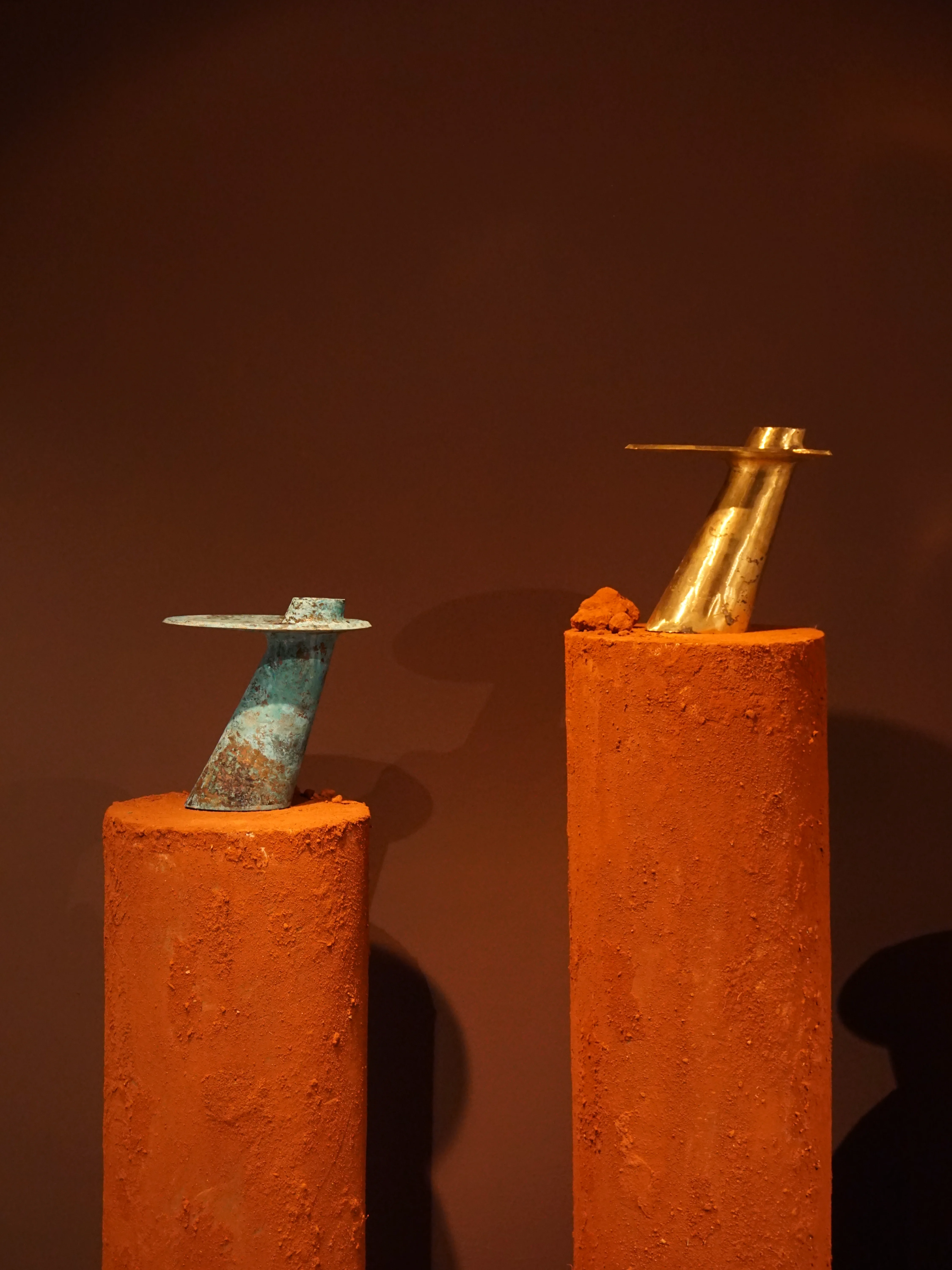
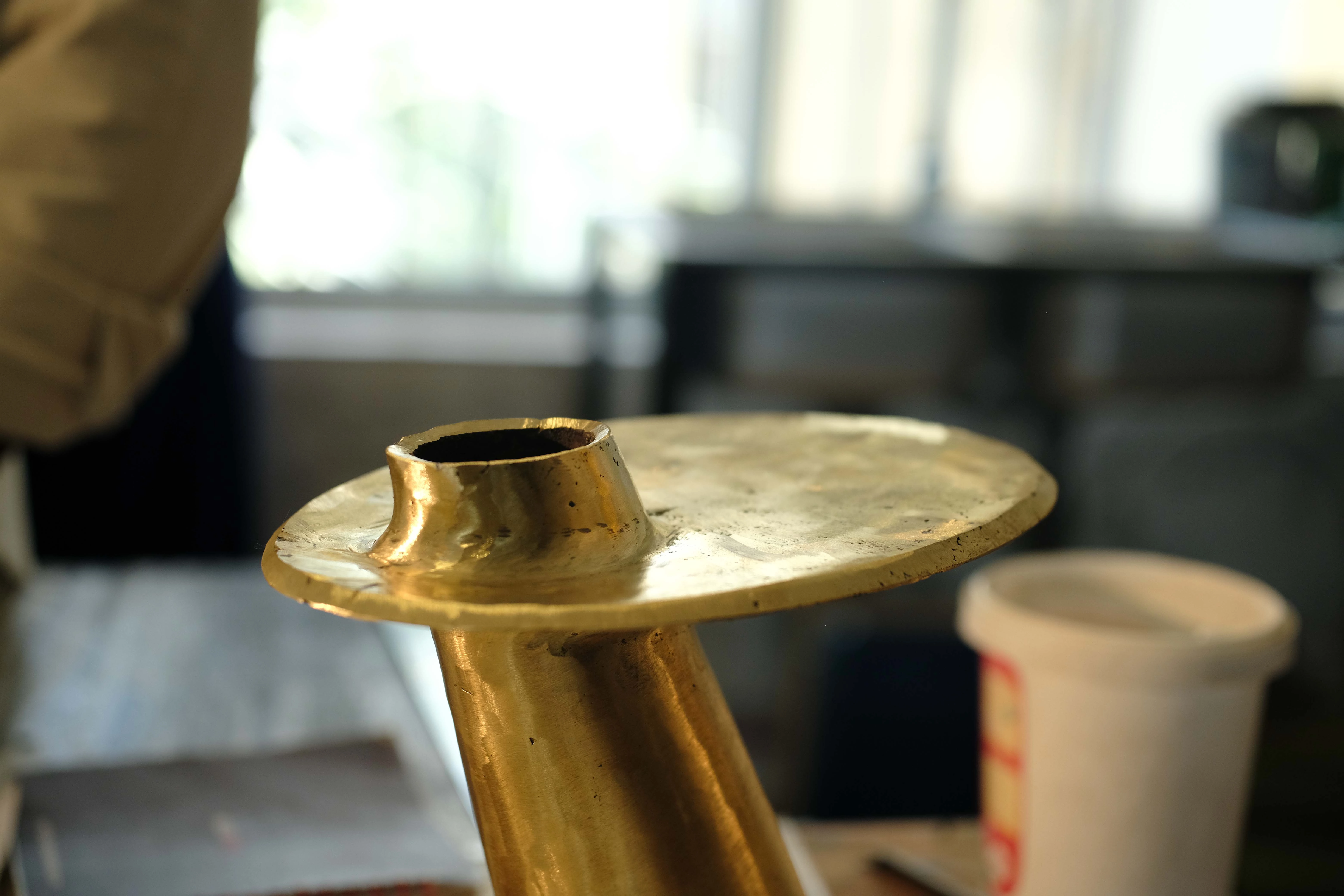
The traditional anklet form is manipulated to capture that same sense of precarious dynamism. The silhouette is pushed to the threshold of tipping to mimic the careful regulation of weight once mastered by the wearer. No longer just an adornment, Adala is reimagined as a vessel for plants, as well as a cradle for items such as jewellery.

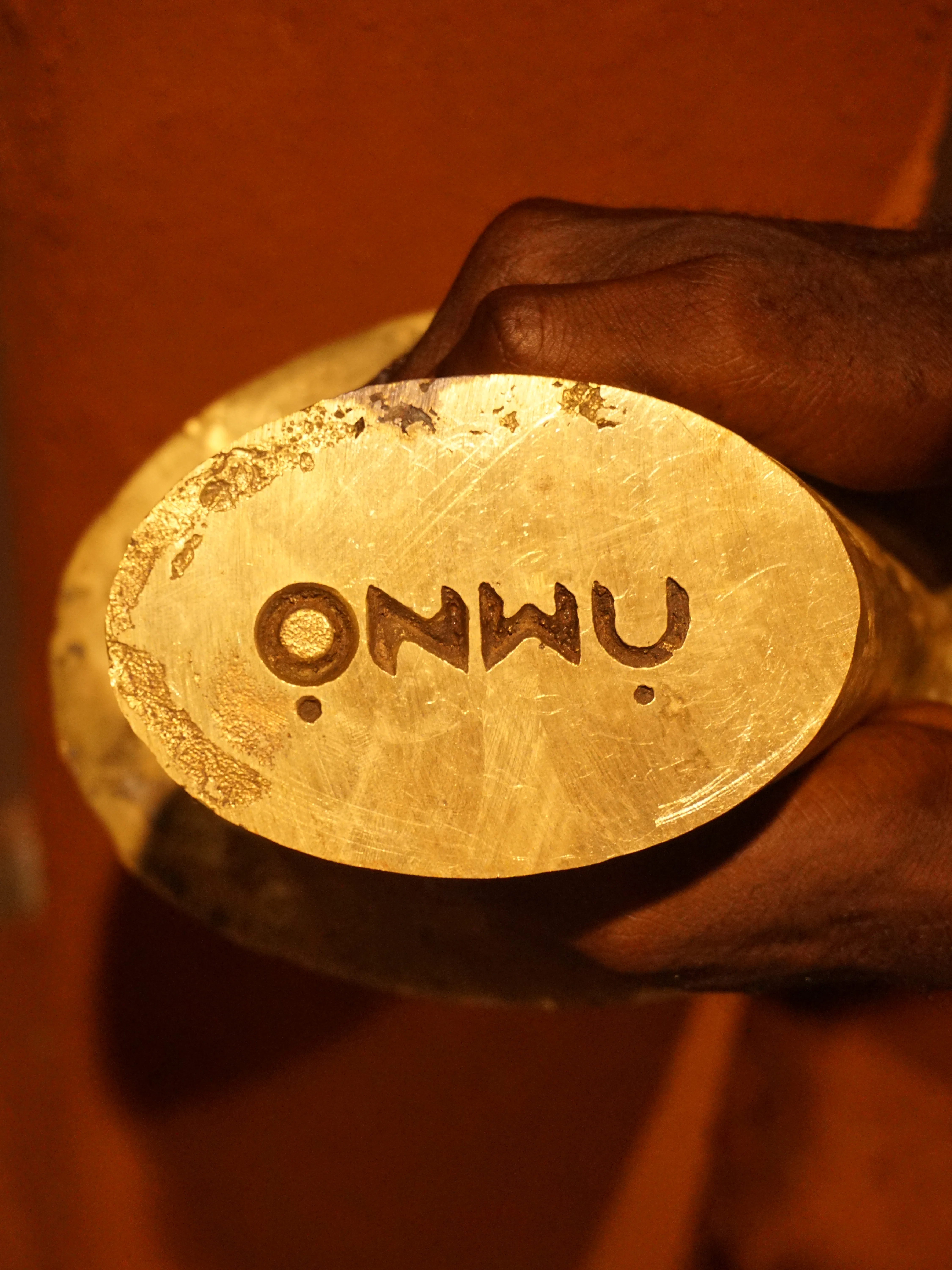
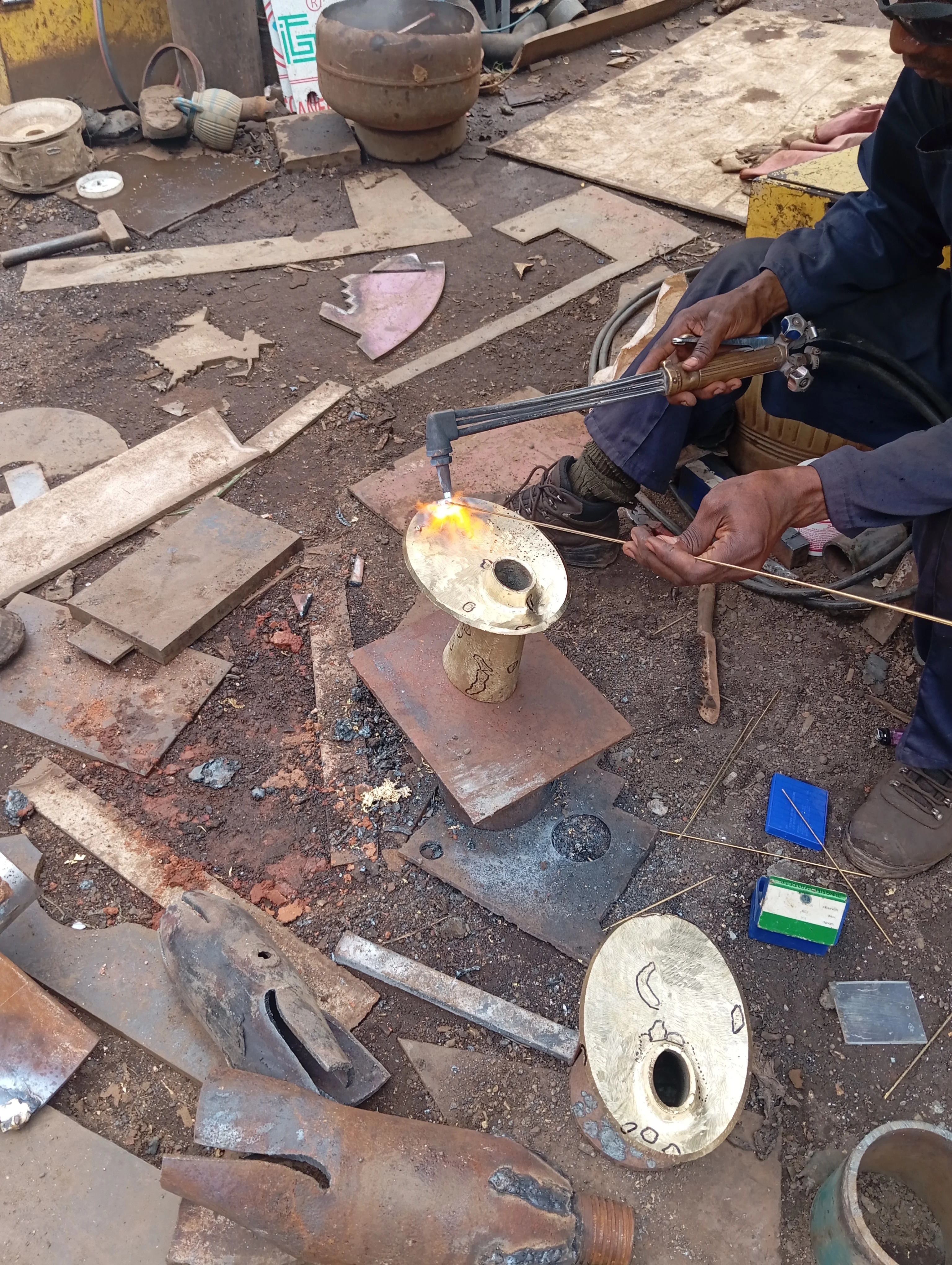
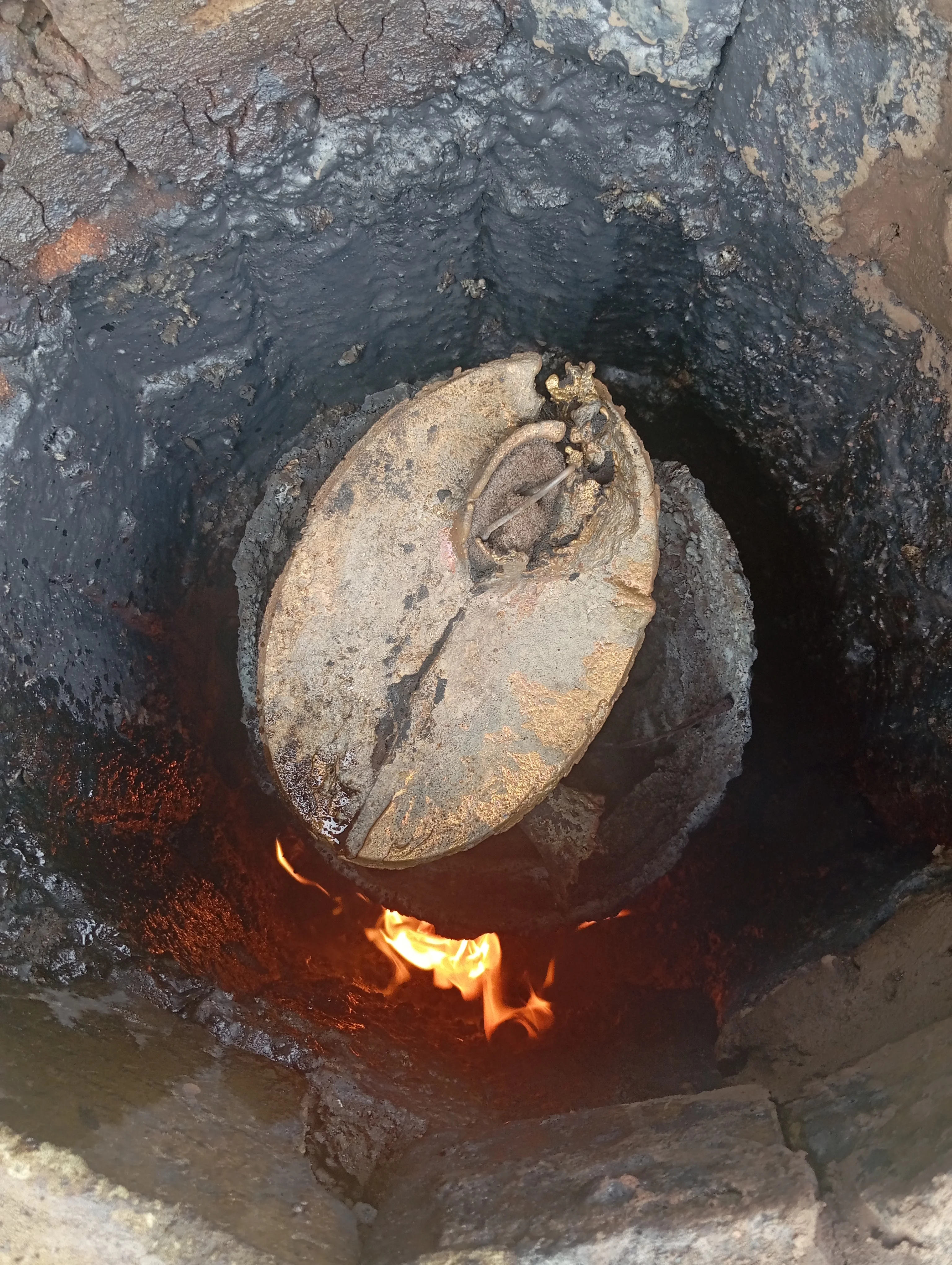
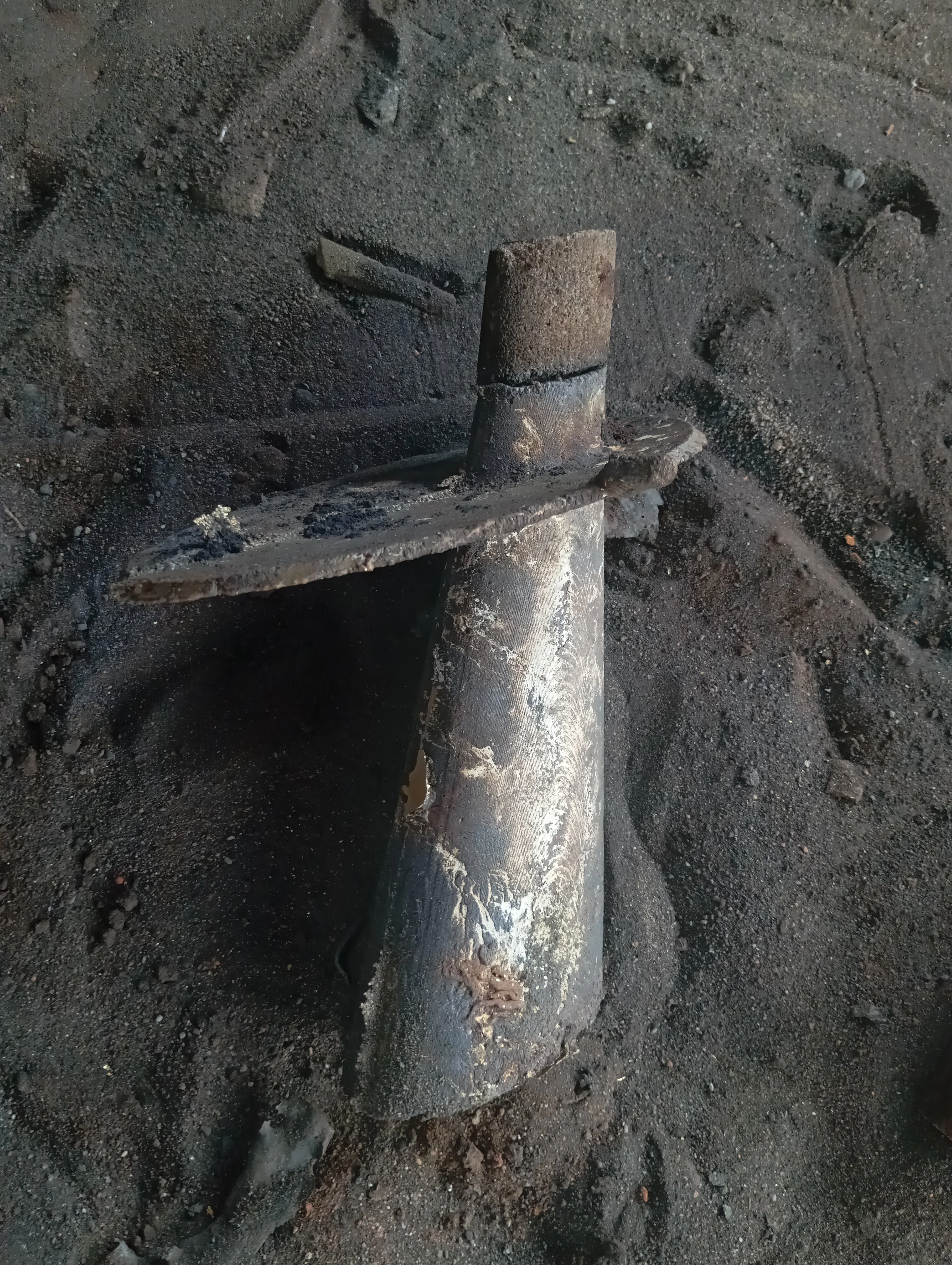
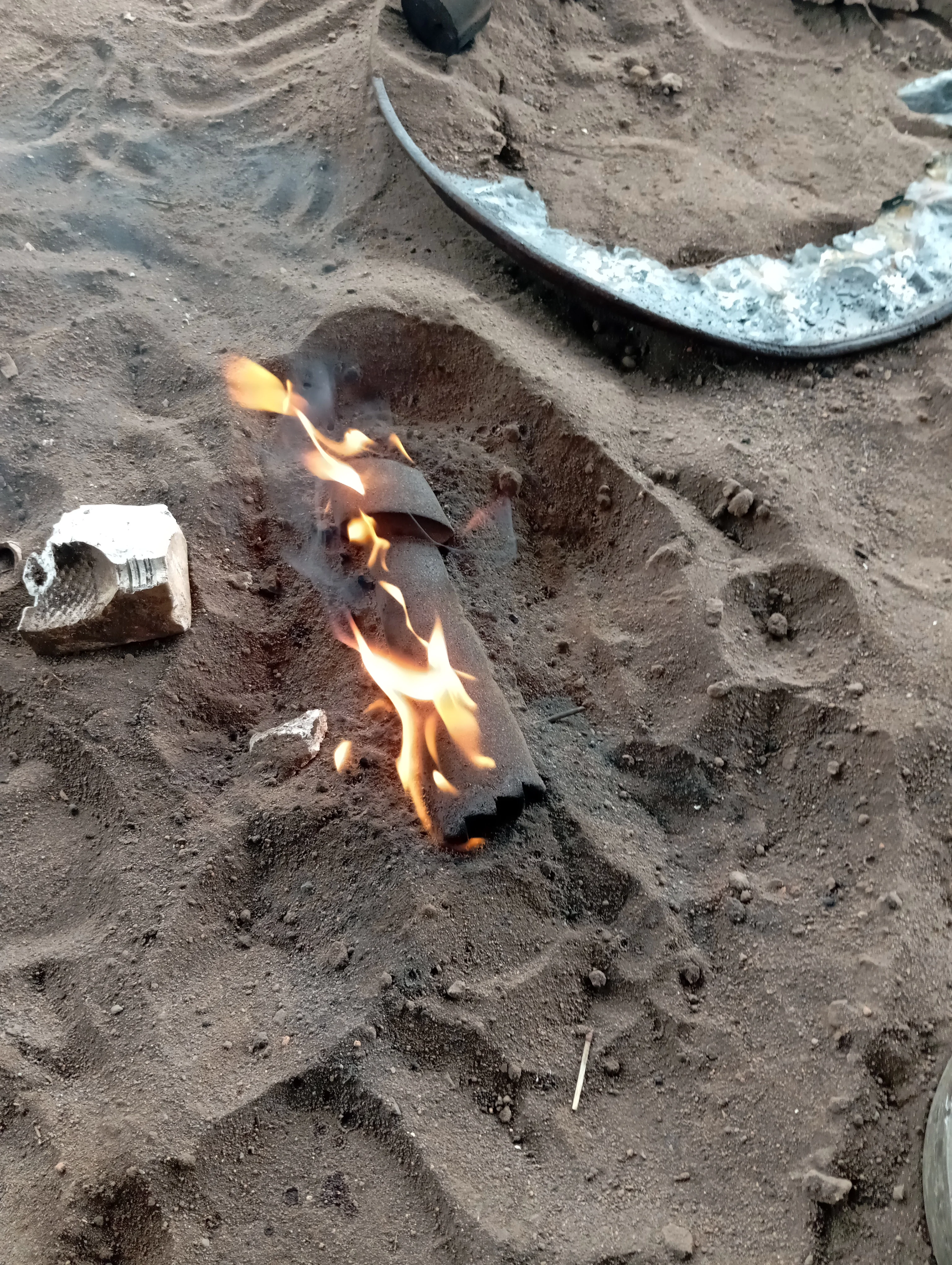
While the original anklets were cold-beaten from a T-shaped piece of brass by the blacksmiths of Awka, the vase is born of sand casting techniques. This process creates a visceral and deeply intimate dialogue between Adala and the earth that yields its final form.

The poetics of stability and connection to the earth deepens when one considers the phonetics of Adala within the Igbo language. The word vibrates between two meanings: A-da-ala (it fell to the ground) and Ada-ala (first daughter of the Land). We embrace the latter which aptly frames this piece as our Ada.

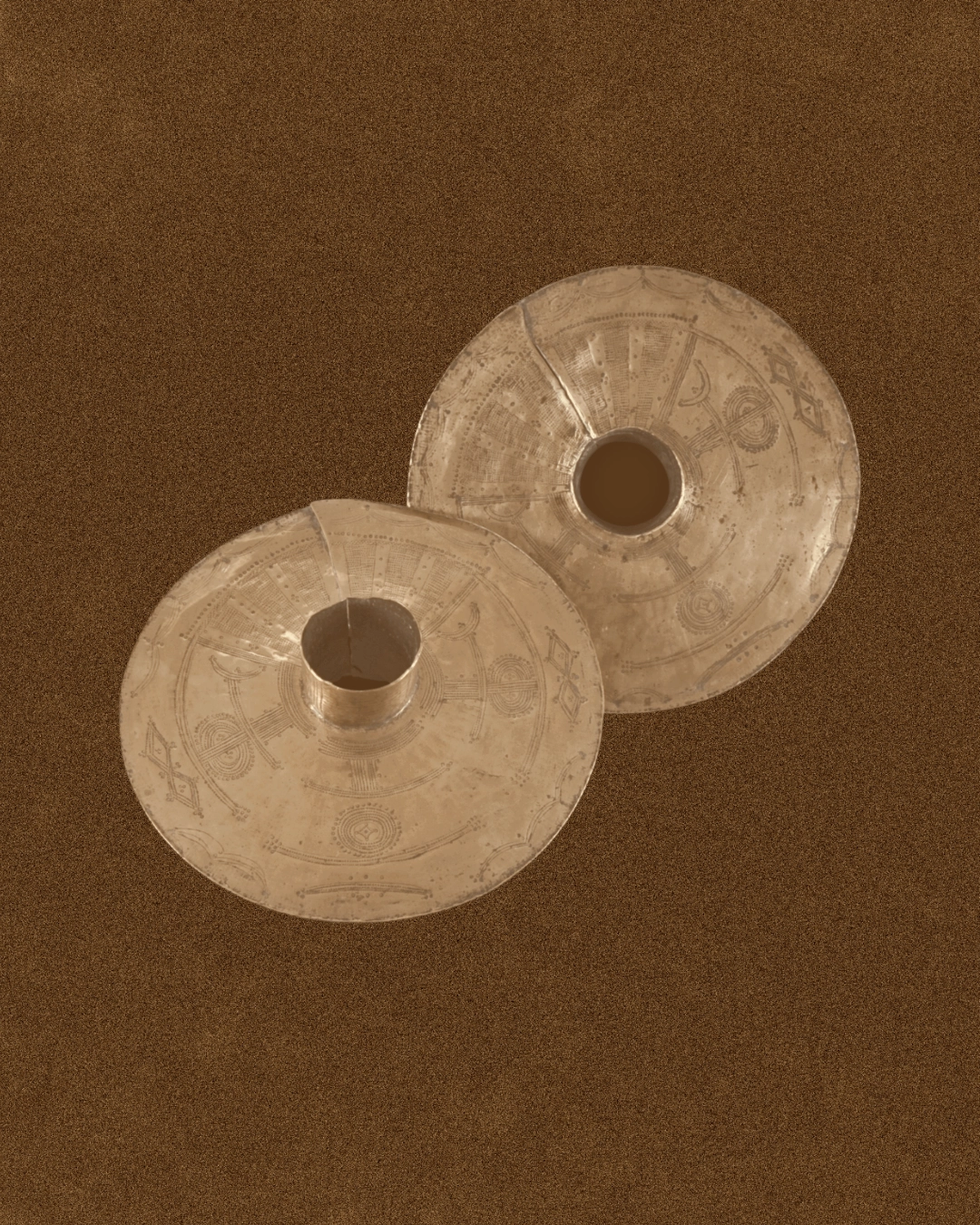
Traditional Igbo brass anklets (Adala) that inspired the Adala vase design
Woman seated wearing Igbo brass anklets — reference for Adala by ỌNWỤ Design
Woman standing wearing Igbo brass anklets — reference for Adala by ỌNWỤ Design
Igbo masquerade with brass adornments — cultural reference for Adala
No items found.
Adala vase sand casting process at ISMAC Foundry Nigeria
Adala vase production detail — sand casting at ISMAC Foundry
Adala brass vase — studio photography by Daniel Uwaga
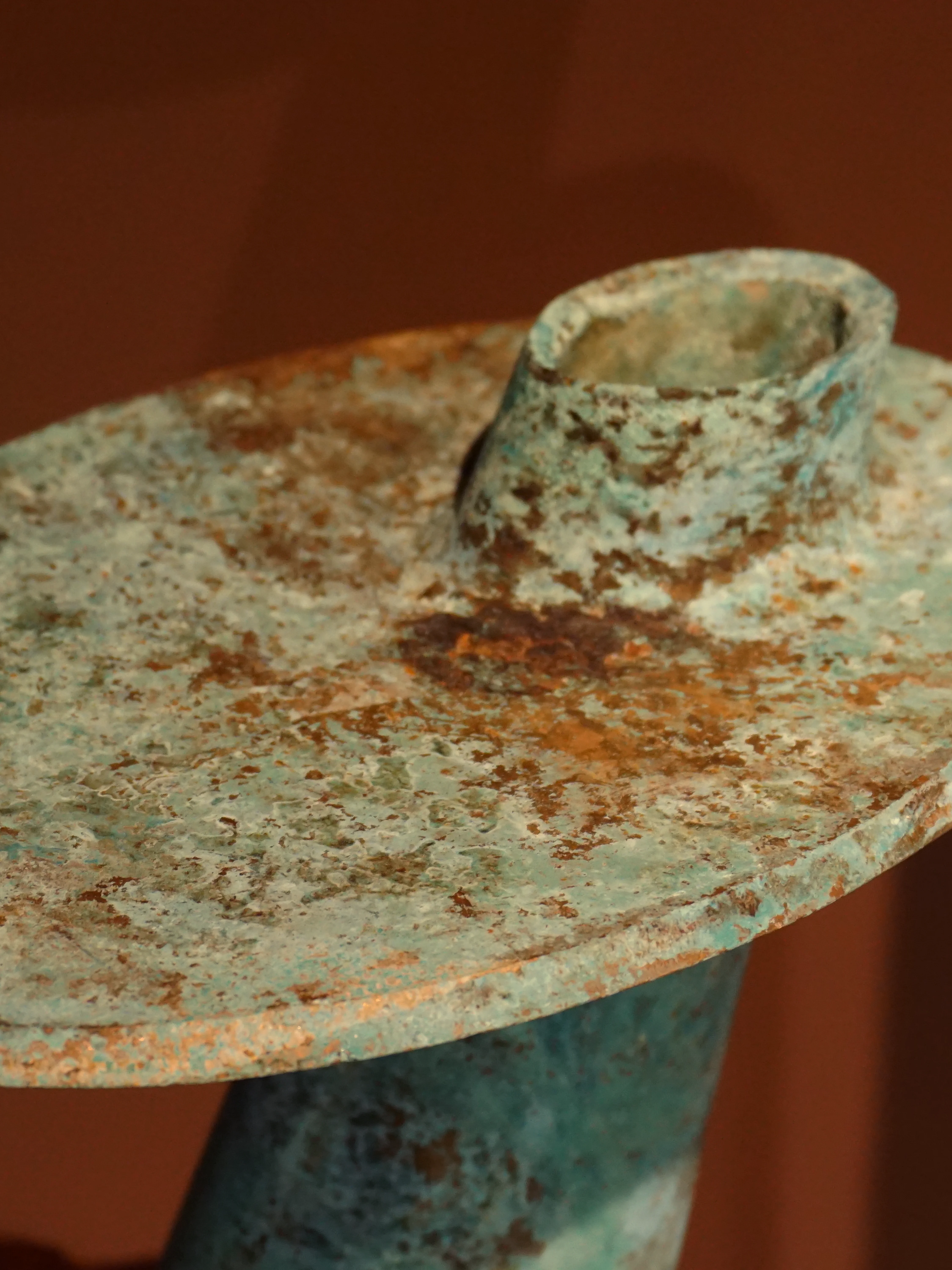
Adala vase detail — recycled brass surface finish
Adala vase with floral arrangement — ỌNWỤ Design
Adala vase in production — ISMAC Foundry, Lagos Nigeria
Adala vase casting detail — sand mould process
Adala brass vase by ỌNWỤ Design — sand cast recycled brass, Lagos
No items found.

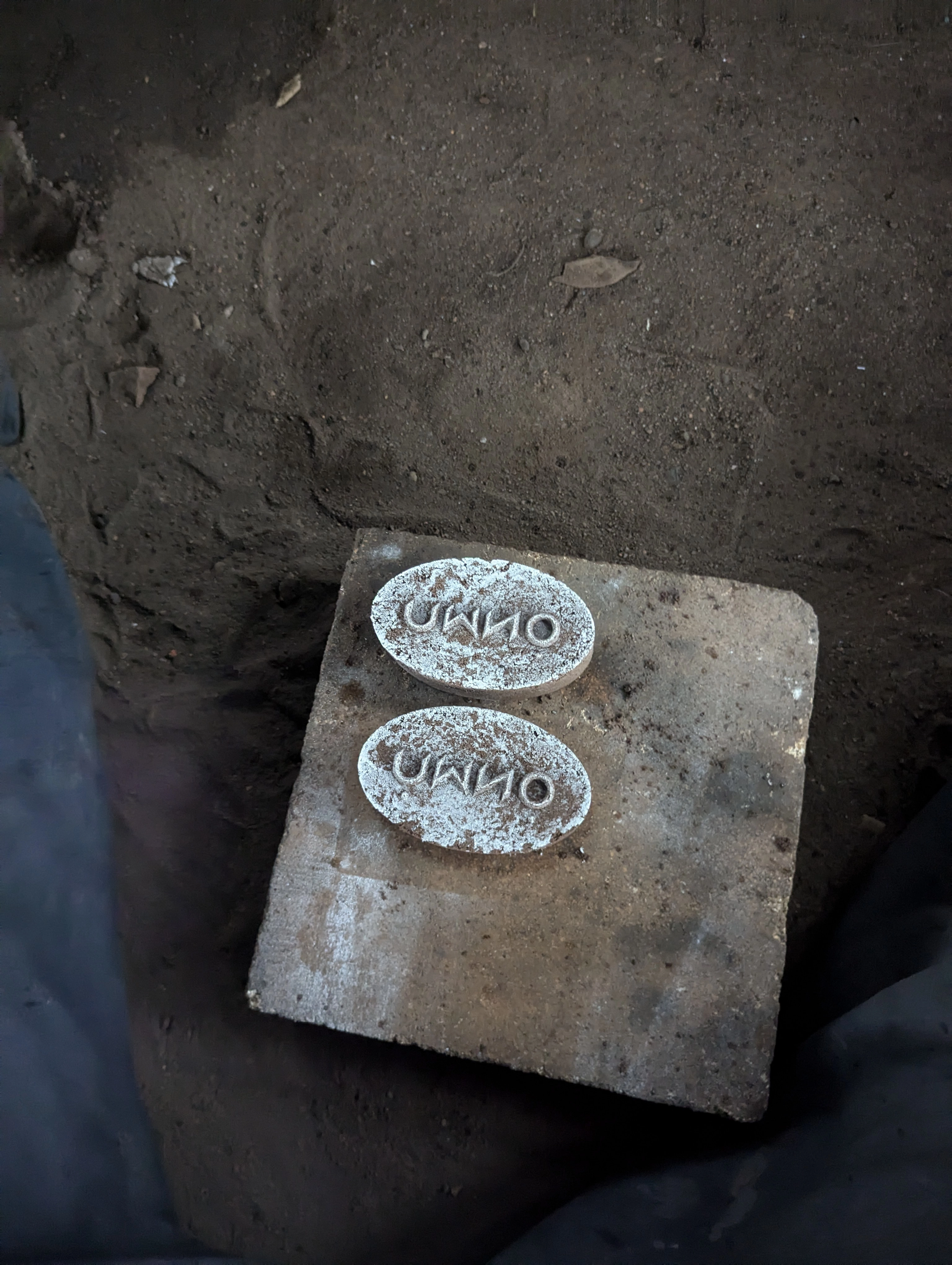
Adala is the result of a unified production system where digital and physical craft operate in tandem. The workflow utilizes 3D printing for the production of patterns and mould components, enabling rapid geometric iterations and high-fidelity precision. These forms are then translated through the sand casting process — a production method chosen for its cost efficiency while being able to yield complex tactile forms. The piece is subsequently sand blasted to refine its tactile quality. The product's functional innovation lies in how it mechanically responds to the moments caused by long-stemmed arrangement, allowing the vessel to carry flowers up to four times its height. While the material's inherent density provides a stable foundation, the internal geometry is engineered to shift the center of gravity toward the base while counterbalancing said moments. This is achieved through a sloped internal floor and a series of integrated steps allowing for the precise manipulation of the resting angle of the flowers for balance and aesthetic floral arrangement.

Adala is built on circularity, centered on a hyper-local production loop. The primary material is reclaimed industrial brass sourced from "afterlife" machinery within a few hundred meters of the foundry. By utilizing urban mining to salvage high-quality scrap, the project eliminates the carbon costs of traditional logistics and prevents industrial waste from entering landfills. This reliance on local scrap (while born of necessity) serves as a robust economic strategy, shielding production from volatile global markets and reducing dependence on imported virgin materials. The sand-casting process further enhances this framework, as the moulding medium is reclaimed and reused. This commitment to low-impact materials extends to the packaging, constructed solely from layered, laser-cut cardboard. Arranged like a topographic model, the paper-based layers create a custom negative space for the vase to nestle into, providing structural protection without plastic or foam. Adala is designed as a permanent heirloom; however, both the brass and the packaging remain 100% recyclable, ensuring a fully closed-loop lifecycle.

Adala brass vase sand casting — molten metal being poured into sand mould at ISMAC Foundry, Lagos
Circular sand mould with molten brass for Adala vase casting process
Sand casting setup for Adala vase — mould preparation at ISMAC Foundry
Sand mould with Adala vase pattern — brass casting preparation
Close-up of sand mould discs used in Adala vase casting — ISMAC Foundry Nigeria
Molten brass being poured into sand mould during Adala vase production
Sand mould cross-section showing Adala vase form before casting
No items found.
Design

ỌNWỤ Design — Marizu ỌNWỤ, ỌNWỤGUZO

Exhibitions
Reimagining Resources (Design Intersect 2025)
Collaborators

3D Printing: BK Manufacturing

Metal Casting: ISMAC Foundry Nigeria

Finishing: Peter Umoh

Photography & Videography

Photography: Daniel Uwaga, Marizu ỌNWỤ